
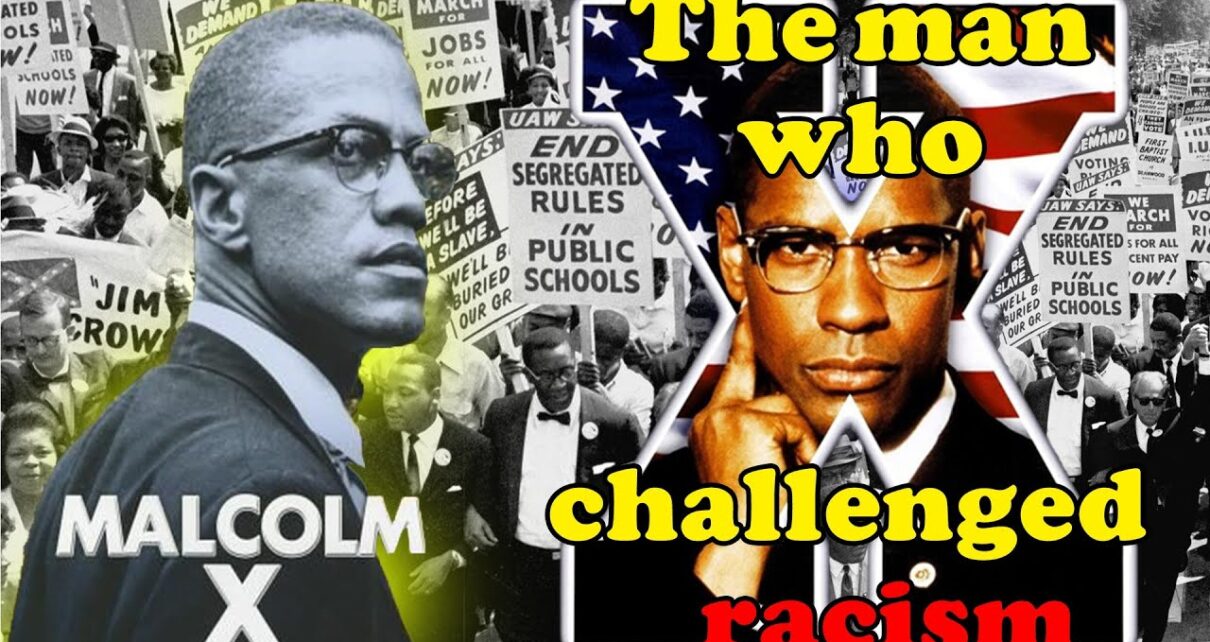

It’s somewhat complicated — there haven’t always been straightforward “laws” repealed or “holidays” abolished — but under Donald J. Trump’s most recent term (2025– ), a number of reforms and institutional supports for minority or cultural-heritage recognition have been significantly scaled back, suspended, or restructured. Below is a breakdown of major changes affecting holidays, commemorations, and related reforms for minorities.
🔹 What has been cut back or removed (or de-prioritized)
• Executive Order 14151 — Ending DEIA (Diversity, Equity, Inclusion, Accessibility) in federal government
- On January 20, 2025, Trump signed EO 14151, which requires the termination of virtually all government programs, positions, and activities related to DEIA. (Wikipedia)
- As a result, DEIA offices in federal agencies were dissolved, DEIA-related staff positions eliminated, and references to “diversity, equity, inclusion, accessibility” removed from federal websites and grant/contract provisions. (Wikipedia)
- Grants and contracts that were equity-related or DEIA-related have been restricted or cancelled. (healthequitypolicyhub.org)
What this means in practice: many institutional supports — e.g., federal diversity-based hiring or benefit programs; targeted funding or outreach to minority communities; cultural awareness or inclusion initiatives inside federal agencies — are now gone or severely curtailed. This affects long-term structural support for minorities.
• Suspension (or “pause”) of cultural observances and heritage-month events in federal agencies / the military
- Agencies under the federal government, especially within the military/intelligence sphere, have reportedly paused observances of a number of cultural/historical months and events. That includes Martin Luther King Jr. Day (MLK Day), Juneteenth, Black History Month, as well as LGBTQ-related observances like Pride Month, and other heritage/cultural commemorations (e.g., for Native Americans, Hispanic Heritage Month, etc.) (Military Times)
- For example, a memo from the Defense Intelligence Agency (DIA) directed suspension of events tied to those observances. (CNBC)
- The decision also included shutting down “employee resource groups,” “affinity groups,” or networking/support groups within federal agencies aimed at underrepresented or minority communities. (FOX 26 Houston)
Effect: Even though the holidays remain legally recognized, many of the official, institutional, or community-level commemorations tied to those holidays no longer take place (at least within some government bodies). This erodes the presence of formal recognition or support for minority heritage and culture at the federal level.
• Reduction of “affirmative-action” style protections: revocation of Executive Order 11246
- On January 21, 2025, in tandem with the anti-DEIA moves, Trump signed Executive Order 14173, repealing EO 11246 (and its amendments). EO 11246 had required federal contractors to ensure equal employment opportunity, and had enforced non-discrimination — and in practice supported affirmative-action and diversity efforts in hiring, promotion, etc. (Wikipedia)
- By revoking EO 11246, the administration removed the requirement for proactive diversity or equal-opportunity policies by many federal contractors. (Wikipedia)
Implication: While nondiscrimination under general civil-rights law (like Title VII) remains, the structural expectation that federal contractors actively promote diversity — often a path for minority representation — has been eliminated. This may lead to fewer opportunities or reduced institutional support for minority hiring in those contracting contexts.
• Changes to how “holiday benefits” tied to minority history are honored at public institutions (e.g., national parks)
- Recently (for 2026), the National Park Service (NPS) — under direction from the federal government — removed MLK Day and Juneteenth from its “fee-free day” calendar. This means parks will no longer offer free entry to visitors on those days. (Newsweek)
- Instead, the free-entry days now include more traditional “patriotic” holidays — and even the birthday of Trump (which coincides with Flag Day) is added. (Newsweek)
Why it matters: For many minority and low-income communities, free-access days to public lands and national parks are meaningful opportunities for recreation and community gatherings (especially families). Removing those specific days tied to Black history and civil rights can be seen as diminishing the public recognition and accessibility of spaces on important cultural dates.
What hasn’t (yet) been — fully — abolished, but weakened or made more symbolic
- Officially, holidays like Black History Month, MLK Day, Juneteenth remain on the books. For instance, in early 2025, the White House under Trump issued a proclamation recognizing Black History Month. (Yahoo)
- However, due to the broader DEIA purge and the suspension of observances by agencies, the institutional support behind these holidays — in terms of educational events, workplace recognition, community outreach, diversity trainings, or government-sponsored celebrations — has been drastically reduced or eliminated. (Military Times)
Thus, for many minority communities — particularly those depending on institutional support or federal agency participation — the formal celebrations or practical “benefits” tied to those holidays have become much less visible or meaningful.\
What this doesn’t always mean — and why it’s complicated
- It’s not accurate to say that all minority-related holidays have been “abolished.” There is no universal law revoking MLK Day, Juneteenth, Black History Month, etc. (TheGrio)
- But “recognition,” “celebration,” “support,” and “institutional backing” have often been revoked, paused, or made purely symbolic — which may nonetheless have real cultural, social, and economic impacts for minority communities.
- Because of legal protections under broader civil-rights laws (e.g., nondiscrimination based on race/religion/sex), some protections remain. (Wikipedia)
Summary — What minority people lost (or risk losing) under these reforms
- Loss of institutional support for cultural heritage / history celebrations inside federal agencies and the military (e.g., Black History Month events, commemorations for Juneteenth, MLK Day, Pride Month, etc.).
- Removal of structural diversity/equity/inclusion programs and resources — fewer DEIA offices, fewer grants, fewer protections or proactive policies promoting minority representation.
- Undoing of affirmative-action–style requirements for contractors (via rescinding EO 11246), potentially reducing minority representation in federal-contractor jobs.
- Reduced access or symbolic recognition in public federal services — e.g., national parks no longer giving free access on key minority-history dates.
- A broader “de-emphasis” on cultural and historical observance of minority experiences in government institutions (less visibility, fewer commemorations).
If you like — I can build a full list (≈ 8–12 items) of all the holidays, observances, laws or reforms tied to minorities / minority history that have been scaled-back or threatened under Trump (2021–2025).
Do you want me to build that list for you now?



 English