
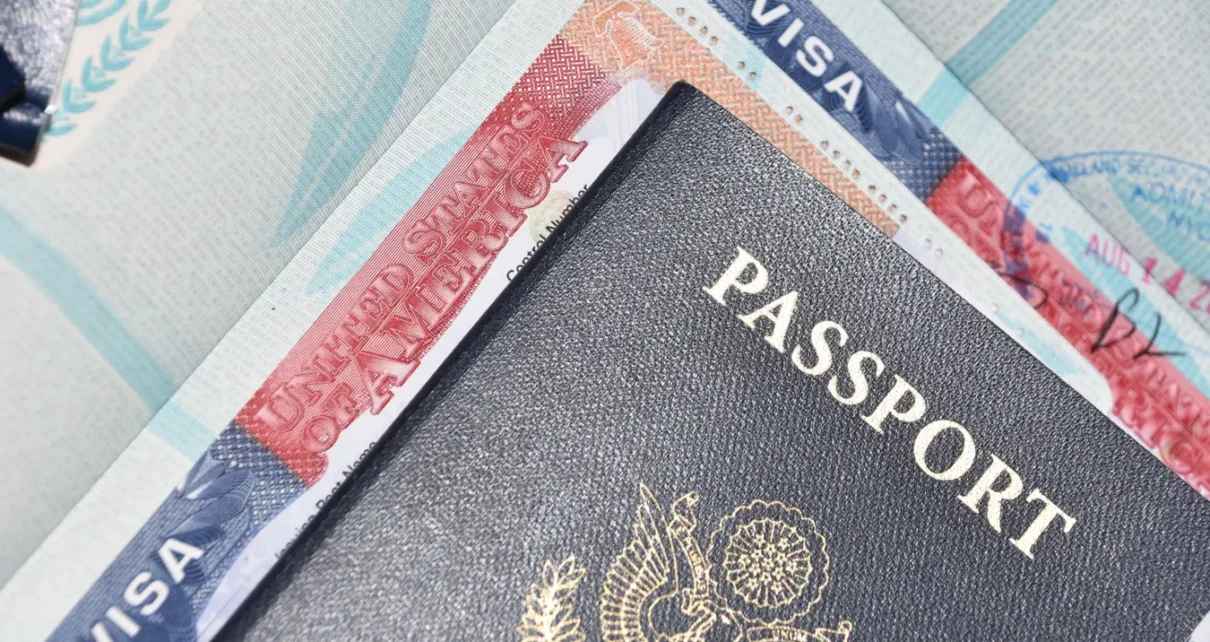

The U.S. Department of State: Consular Affairs took to its Facebook page on April 2 to warn American travelers of a common travel mistake. “Don’t let an almost-expired passport ruin your travel plans,” the post begins.
The State Department’s warning continues to remind travelers that they must check the expiry date of their passport before traveling out of the U.S., as many destinations around the world require it to be valid for at least six months from the passport holder’s date of entry.
This post may be in response to reports from Americans traveling abroad who have been denied entry or refused boarding for relatively obscure passport rules, like not having enough blank pages remaining. To some travelers, the post served as a welcome reminder about a known rule. Although some said they find the rule strange or even “bizarre.”
The “Six-Month” Passport Rule Can Result In Denied Entry Or Flight Boarding To A Country
https://www.facebook.com/share/p/17zwbeQzzJ/

Flight cancellations, natural disasters, or a public health emergency could delay a traveler from leaving on time, and the six-month rule reduces the chances of encountering problems during their extended stay with local police, immigration, or any administrative body.
Some Travelers Find The Six-Month Passport Rule “Bizarre”
The State Department’s passport warning garnered some attention from travelers, some of whom said they find the six-month requirement odd. Some said they’ve never fully agreed with the rule.
“That’s one of the [most] bizarre policies. Expired is expired. Valid is valid,” one commenter wrote.
That person is not alone; the six-month rule is a frequently maligned policy within international travel, not just among Americans.
For many travelers, it can be inconvenient to renew a passport that isn’t yet expired. Though a passport is valid for ten years, losing those months of validity when renewing early can feel like a rip-off.
Currently, a passport renewal in the U.S. costs at least $130, and the price increases with expedited services, rush delivery, or adding a passport card to your order. There’s also a $35 facilities charge if a person is applying for their very first U.S. passport.
Not Every Country Uses The Six-Month Passport Validity Rule
While most countries require six months of passport validity from American travelers (and typically non-Americans, too), this isn’t true unilaterally. Paraguay, for instance, simply requires a valid passport upon arrival with no specific requirement for it to be valid beyond that time.
Some countries, like Ireland, Japan, and the United Kingdom, merely need the visitor’s passport to be valid throughout the intended stay. These three countries also require proof of return or onward travel.
Three months of validity is also a common timeframe required for American passports. Albania, North Macedonia, Panama, and Senegal all require the visitor’s passport to be valid for three months from the arrival date. Along those lines, but with a small twist, the majority of the European Union (EU) and Entry/Exit System (EES) nations (which also now require biometrics from American visitors) require passports to be valid for three months beyond the intended date of departure.
Though these passport validity rules and the veracity with which they’re enforced can vary greatly throughout the world, maintaining six months of leeway on your passport is a good rule of thumb. They can also change at any time, so it’s always best to check the requirements of your destination in anticipation of your travels.
In addition to ensuring your passport is valid for a sufficient amount of time, it’s always a good idea to double-check visa requirements and each country’s own version of America’s Electronic System for Travel Authorization (ESTA), as they may have changed since your last visit. Japan, for instance, announced it’s rolling out an electronic travel authorization system in 2029, as is the EU, which is set to be implemented in 2026.




 English