
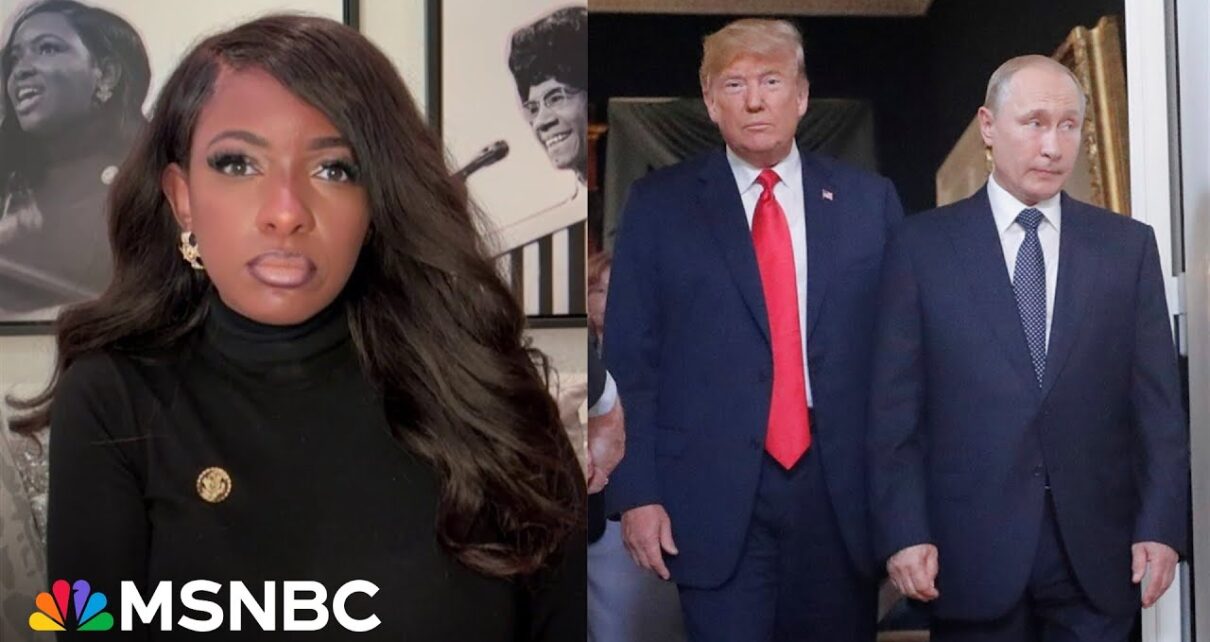

PRESIDENT DONALD J TRUMP
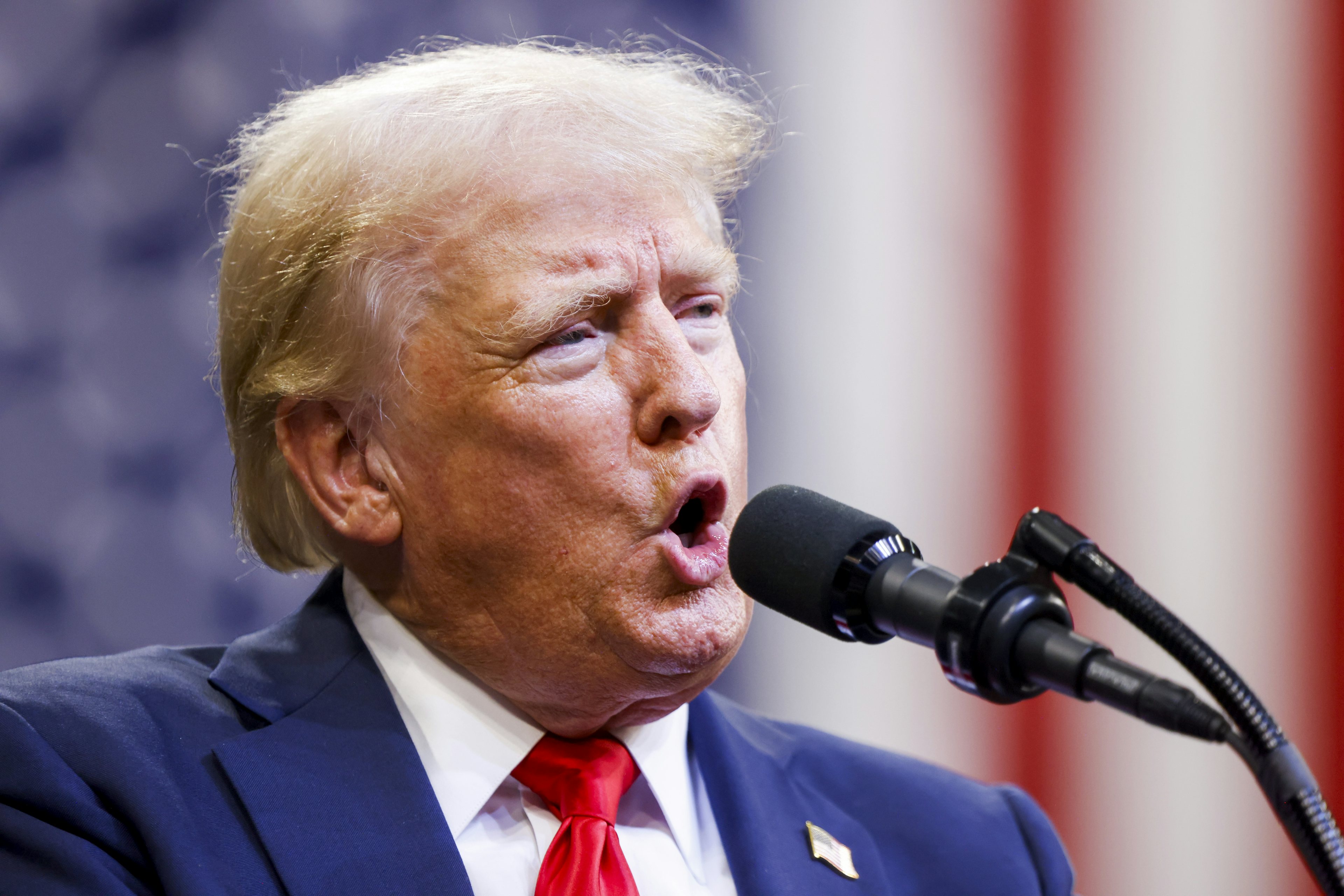
Presented is a clear summary of the known criminal charges and cases involving Donald J. Trump (as of December 2025). Common legal trackers list multiple separate criminal prosecutions — each with distinct charges — plus at least one conviction. Note that this is a legal overview, not a statement about guilt or innocence (except where convictions have already occurred in court). (Encyclopedia Britannica)
New York Hush-Money Case — State Criminal Charges
Jurisdiction: New York County (Manhattan)
Charges:
- 34 felony counts of falsifying business records in the first degree under New York law.
- These counts allege Trump falsified corporate records to conceal reimbursement of “hush-money” payments connected to a 2016 campaign matter. (PBS)
Status:
- These counts allege Trump falsified corporate records to conceal reimbursement of “hush-money” payments connected to a 2016 campaign matter. (PBS)
- Trump was convicted on all 34 counts on May 30, 2024 — the first criminal conviction of a U.S. president (former or sitting). (ABC News)
- He is appealing the conviction. (Reuters)
2. Federal Classified Documents Case — Criminal Charges
Jurisdiction: U.S. District Court (Southern District of Florida)
Charges:
Originally indicted on 40 felony counts, including:
- Willful retention of national defense information (Espionage Act counts)
- Obstruction of justice
- False statements
- Corruptly concealing and withholding documents
(Counts were tied to the recovery of classified documents from Mar-a-Lago and alleged efforts to impede the investigation.) (Wikipedia)
Status: - This federal case was dismissed by a district court on a procedural basis regarding the special counsel’s appointment; it may be subject to appeal or re-filing. (Encyclopedia Britannica)
3. Federal Election/January 6 Obstruction Case — Criminal Charges
Jurisdiction: U.S. District Court for the District of Columbia
Charges:
Trump was indicted on multiple federal counts alleging his role in efforts to overturn the 2020 election, including:
- Conspiracy to defraud the United States
- Conspiracy to obstruct an official proceeding
- Obstruction of and attempt to obstruct an official proceeding (January 6 certification)
- Conspiracy against rights
(This case centers on the events of January 6, 2021, and surrounding scheme elements.) (Wikipedia)
Status: - Proceedings continue; Trump has pleaded not guilty.
4. Georgia State Racketeering/Election Interference Case
Jurisdiction: Fulton County, Georgia
Charges:
- Charges under Georgia’s Racketeer Influenced and Corrupt Organizations (RICO) Act
- Additional state-law counts tied to alleged efforts to overturn the 2020 election results in Georgia, including fraudulent electors and solicitation of public officials. (Wikipedia)
Status: - Case was active; some counts have faced legal challenges. Trial status may evolve.
Notes & Clarifications
Convictions vs. Charges
- Convicted: Hush-money case (34 felony convictions). (ABC News)
- Charged but not convicted (as of Dec 2025):
- Classified documents case (charges dismissed, potentially subject to future filings)
- Federal election obstruction case
- Georgia state RICO/election interference case
Other Legal Matters
- There are civil lawsuits (e.g., civil fraud cases and defamation suits) and other legal disputes concerning Trump, but those are civil, not criminal, and aren’t included here. (Wikipedia)
Presidential Immunity & Timing
- Some federal proceedings have involved arguments about presidential immunity when actions occurred while he was in office. These legal doctrines can affect how and whether prosecutions proceed. (Reuters)
A breakdown of the major criminal charges filed against Donald Trump in his different cases — showing the specific statutes and their typical maximum penalties for easier comparison.
Many of these cases were later discontinued, dismissed, or postponed as of late 2025, but the statutes and penalties reflect what was charged before those outcomes.) (Wikipedia)
1. New York “Hush-Money” Case
Jurisdiction: New York State (Manhattan)
Statute: New York Penal Law § 175.10 — Falsifying Business Records in the First Degree
- Definition: Making or causing false entries in business records with intent to defraud and intent to commit or conceal another crime. (Wikipedia)
- Counts: 34 felony counts arising from alleged false entries in The Trump Organization’s records. (Wikipedia)
- Maximum Penalty per Count:
Up to 4 years in prison (felony class E in NY); state sentencing discretion may also include fines or probation. (FOX 4 News Dallas-Fort Worth) - Total Exposure (theoretical): Up to 136 years if all counts run consecutively (though rarely applied in practice). (Reddit)
- Note: Trump was convicted on all counts in May 2024 but received an unconditional discharge (no jail time), and the conviction is on appeal. (AP News)
2. Federal “Election Obstruction / January 6” Case
(This was filed in 2023 and later paused/dismissed after Trump re-won the presidency.) (Wikipedia)
Jurisdiction: U.S. District Court for the District of Columbia
Key Federal Statutes Charged
| Statute | Charge Description | Typical Max Penalty |
|---|---|---|
| 18 U.S.C. § 371 | Conspiracy to defraud the United States (general conspiracy) | Up to 5 years imprisonment (Congress.gov) |
| 18 U.S.C. § 1512(c)(2) | Obstruction of an official proceeding (e.g., certification of Electoral College vote) | Up to 20 years imprisonment (Congress.gov) |
| 18 U.S.C. § 1512(k) | Conspiracy to obstruct an official proceeding | Up to 20 years imprisonment (same statutory cap as § 1512(c)(2)) (Default) |
| 18 U.S.C. § 241 | Conspiracy against rights (interfering with voting rights) | Up to 10 years imprisonment (Default) |
- Context: These counts stemmed from allegations that Trump attempted to obstruct or delay the certification of the 2020 election results, including creating fake electoral certificates and pushing officials to overturn results. (Wikipedia)
- Note: This federal case was later dismissed without prejudice based on DOJ policy against prosecuting a sitting president, after Trump won the 2024 election. (IBA)
3. Federal Classified Documents Case
(Also filed in 2023 and later dismissed/ended in 2025.) (Wikipedia)
Jurisdiction: U.S. District Court for the Southern District of Florida
Broad Categories of Charges
| Statute | Description | Max Penalty |
|---|---|---|
| 18 U.S.C. § 793 (Espionage Act) | Willful retention of national defense information | Up to 10 years imprisonment per count (The Independent) |
| 18 U.S.C. § 1512 | Obstruction of justice / tampering/withholding federal records | Up to 20 years imprisonment per applicable count (Legal Information Institute) |
| 18 U.S.C. § 1001 | False statements to federal investigators | Up to 5 years imprisonment (The Independent) |
- Allegations: Improperly retaining classified documents at Mar-a-Lago after leaving the presidency, hiding them, and obstructing the investigation. (Wikipedia)
- Note: The case was dismissed by the court on procedural grounds related to the special counsel’s appointment and subsequently dropped after policy considerations. (IBA)
4. Georgia Election Interference / RICO Case
(Originally indicted in 2023, dismissed in November 2025.) (The Washington Post)
Jurisdiction: Fulton County Superior Court (Georgia)
Statutes & Typical Penalties
| Statute | Charge | Typical Penalty |
|---|---|---|
| Georgia RICO Act § 16-14-4(c) | Racketeer Influenced and Corrupt Organizations Act violation | 5–20 years imprisonment & fines (up to $25,000 or more) (CNBC) |
| O.C.G.A. § 16-4-8 & § 16-10-23 | Conspiracy to commit impersonating a public officer | Up to ~2.5 years max (varies) (CNBC) |
| O.C.G.A. § 16-4-8 & § 16-9-1(b) | Conspiracy to commit forgery in the first degree | Up to ~7.5 years max (CNBC) |
| O.C.G.A. § 16-10-20 | False statements & writings | Up to 5 years max (CNBC) |
| O.C.G.A. § 16-10-20.1(b)(1) | Filing false documents | Up to 10 years max (CNBC) |
- Allegations: Organized criminal enterprise to unlawfully alter the results of Georgia’s 2020 presidential contest. (Wikipedia)
- Status: Prosecutors dropped the case in late 2025; so no current convictions or penalties apply. (The Washington Post)
Quick Comparison of Maximum Penalties (Per Count)
| Case | Statute | Max Prison Term (Per Count) |
|---|---|---|
| NY “Hush Money” | NY Penal Law § 175.10 | Up to 4 years (FOX 4 News Dallas-Fort Worth) |
| Federal Jan 6 | 18 U.S.C. § 1512(c) | Up to 20 years (Congress.gov) |
| Federal Jan 6 | 18 U.S.C. § 371 | Up to 5 years (Congress.gov) |
| Federal Jan 6 | 18 U.S.C. § 241 | Up to 10 years (Default) |
| Federal Docs | 18 U.S.C. § 793 | Up to 10 years (Wikipedia) |
| Federal Docs | 18 U.S.C. § 1001 | Up to 5 years (The Independent) |
| Georgia RICO | GA RICO | 5–20 years (Wikipedia) |
Important Context
Severity vs. Practical Outcome
- Some statutes carry high maximum penalties (e.g., 20 years for obstruction counts), federal sentencing often results in much lower terms if convicted — and none of these cases proceeded to full federal convictions before being halted. (IBA)
- Only the New York falsifying business records case resulted in a conviction — and the judge’s sentence was an unconditional discharge, meaning no prison time imposed, though the felony conviction stands and is being appealed. (AP News)
U.S. REPRESENTATIVE JASMINE CROCKET
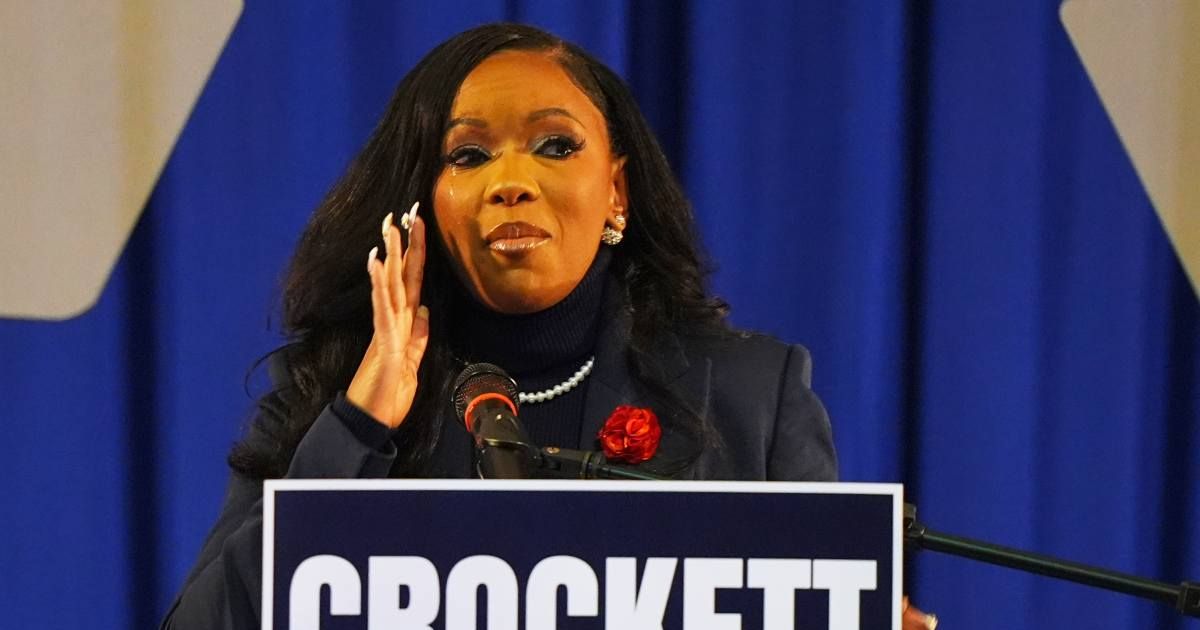
There are no verified criminal charges currently filed against U.S. Congresswoman Jasmine Crockett (D-TX) in any official court records or reputable legal databases. Searches of reliable sources do not show her being charged, indicted, arrested, or convicted of any crime. Any claims about criminal charges against her are either mischaracterizations, false rumors, political attacks, or unverified online commentary.
Here’s the verified situation as of December 2025:
Confirmed — No Criminal Charges Filed
- There is no credible evidence that Jasmine Crockett has been criminally charged or indicted in a court of law.
- Searches of legal databases and public news reports show no arrest records or prosecution filings against her.
- Statements circulating on social media or right-wing sites claiming assault charges have not been confirmed by reliable legal records or major news outlets.
- The YouTube and Reddit posts claiming “charges filed” are unverified and not substantiated by authoritative reporting.
Conclusion: There are currently no documented criminal charges against Jasmine Crockett in official legal records.
Related Legal & Public Dispute Items (Not Criminal Charges)
While not criminal charges, there are a few controversies and non-criminal matters reported or alleged in public discourse:
1. Ethics Complaint Filed
- A watchdog group (FACT) filed an ethics complaint alleging she may have failed to disclose required financial information in her congressional disclosures.
- This is an ethics/administrative matter, not a criminal charge.
- Such complaints can lead to investigations or sanctions by the House Ethics Committee, but not a criminal indictment by default. (fact)
2. Alleged Altercation Under Review
- There were online claims that a conservative reporter accused Crockett of an altercation in the U.S. Capitol and that prosecutors were reviewing the situation.
- However, no authoritative source confirms that criminal charges were actually filed in that case. (Claims appear on Reddit and YouTube without official corroboration.) (Reddit)
3. Political Criticism & Accusations
- Public criticism has included allegations of violent rhetoric or incitement, but these are political criticisms, not legal charges. (Fox News)
- Other commentary online may describe her statements as unprofessional or offensive, but again, not criminal charges.
Important Clarifications
- Public figures often face rumors and partisan claims that can be misleading.
- Social-media posts or fringe sites alleging “charges filed” do not constitute verified criminal charges.
- Official criminal charges would appear in court records and credible news reporting.
Summary
| Category | Status |
|---|---|
| Verified Criminal Charges | ❌ None |
| Arrests | ❌ None |
| Indictments | ❌ None |
| Convictions | ❌ None |
| Ethics Complaint | ⚠️ Yes (administrative/ethics review, not criminal) |
WAS THERE AND ARE THERE ANY ARREST RECORDS ON US REPRESENTATIVE JASMINE CROCKET
No — there are no verified, official arrests of U.S. Representative Jasmine Crockett on criminal charges in any credible or reputable public record as of December 2025.
Here’s what reliable reporting shows:
No Criminal Arrests
- There is no credible evidence that Jasmine Crockett has been arrested or charged criminally by law enforcement or prosecutors.
- News outlets and legal records do not list her as the subject of an arrest or indictment in criminal court. No official arrest warrant tied to a criminal prosecution exists for her.
- Videos or social media posts claiming she has been “charged” or “arrested” are not supported by authoritative reporting from major news sources and appear to be misinformation.
- Context Around “Arrest” Mentions
Some references on social media or political commentary misuse the term arrest in non-criminal contexts:
State House Quorum “Civil Arrest Warrants”:
- In 2021 as a Texas state representative, Crockett and other Democrats faced civil arrest warrants issued by the Texas House for leaving the state during a legislative walkout.
- These are legislative enforcement tools, not criminal arrests for wrongdoing. They are administrative actions to compel attendance, not prosecutions for crimes. (Yahoo)
Rumors & Online Claims:
- Some fringe sites and social posts have alleged she assaulted a reporter and faced charges — but no established news organization or official source verifies any such arrest or charging. Those narratives originate from unverified fringe sources. (WLT Report)
Related Non-Criminal Issues
- Crockett has faced an ethics complaint alleging potential failure to disclose financial information as required by federal law — that is an ethics administrative matter, not a criminal arrest. (fact)
- She has publicly discussed being threatened or targeted by others (e.g., threats at her office), but she was not arrested in those incidents; law enforcement responded to protect her. (iHeart)
Summary
| Category | Status |
|---|---|
| Criminal Arrests | ❌ None |
| Criminal Charges | ❌ None |
| Arrest Warrants (Criminal) | ❌ None |
| Civil/Legislative Warrants (quorum enforcement) | ⚠️ Yes (historic, not a criminal charge) (Yahoo) |
What a “civil arrest warrant” for legislative quorum is
A civil arrest warrant for legislative quorum is a procedural enforcement tool, not a criminal accusation.
Purpose
Its only purpose is to compel lawmakers to return to the legislature so it can legally conduct business.
Most legislatures (including Texas) require a quorum—a minimum number of members present—to vote on bills. If too many members leave to block a vote, the chamber can order law enforcement to locate and bring them back.
Key characteristics
- Not a criminal charge
- No crime alleged
- No prosecutor involved
- No criminal court
- No criminal record
- No jail sentence
- Expires once the legislative session or quorum dispute ends
In Texas, this authority comes from the state constitution and House rules, not the criminal code.
How it differs from a criminal arrest (side-by-side)
| Feature | Civil Legislative Warrant | Criminal Arrest |
|---|---|---|
| Reason | Enforce attendance | Suspected crime |
| Issued by | Legislative body (House/Senate) | Judge or magistrate |
| Law broken? | ❌ No | ✅ Yes (alleged) |
| Prosecutor involved | ❌ No | ✅ Yes |
| Criminal charges | ❌ None | ✅ Filed |
| Jail time | ❌ No | ✅ Possible |
| Criminal record | ❌ No | ✅ Possible |
| Fingerprints/mugshot | ❌ No | ✅ Usually |
| Trial | ❌ No | ✅ Yes |
| Penalty | Being returned to chamber | Fines, jail, probation |
What actually happens in practice
If enforced (which is rare):
- Law enforcement may escort the legislator back to the chamber
- The legislator is not booked, not charged, and not jailed
- Once quorum is restored or the session ends, the warrant becomes moot
In many cases, the warrant is symbolic and never executed.
Why people get confused
The term “arrest warrant” sounds criminal, but:
- “Arrest” simply means temporary custody
- “Civil” means non-criminal
It’s closer to a court order for compliance than a criminal arrest.
Bottom line
A civil arrest warrant for quorum:
- Does not mean someone committed a crime
- Does not mean they were arrested in a criminal sense
- Does not create a criminal record
- Is a legislative enforcement mechanism, not law enforcement punishment
If you’d like, I can also explain:
- Why Texas lawmakers used this tactic
- Historical examples (Texas, Wisconsin, Oregon)
- Whether refusing quorum is legal or protected
Below is a clear breakdown of why lawmakers use quorum-busting tactics, historical examples, and the legality of refusing quorum.
1) Why lawmakers use quorum-busting tactics
Quorum-busting happens when legislators deliberately leave or boycott a legislative session to prevent a quorum—the minimum number of members required to conduct official business.
Reasons for doing this:
- Block legislation: Prevent a bill they strongly oppose from passing.
- Gain leverage: Force negotiations or concessions from the majority or leadership.
- Protest: Draw public attention to an issue.
- Protect constituents: Argue that a law being considered is harmful or rushed.
Mechanism: Without a quorum, the legislature cannot vote, so the minority party can temporarily halt proceedings.
2) Historical Examples
Texas
- 2011: Democratic lawmakers left the state to block a redistricting plan they opposed.
- 2021: Texas Democrats left the state to prevent votes on restrictive voting laws.
- Enforcement: The House issued civil arrest warrants to compel their return.
- Law enforcement could locate and bring them back to the chamber, but no criminal charges were involved. (Texas Tribune)
Wisconsin
- 2011: Democratic state senators left the state to prevent votes on controversial collective bargaining legislation for public employees.
- Result: Temporary halt of legislative action until negotiations occurred. (NY Times)
Oregon
- 2019: Republican lawmakers left the state to block a cap-and-trade climate bill.
- Result: Legislative action stalled; the walkout forced negotiations and attention to the issue. (Oregon Live)
Common thread: Minority parties use quorum-busting when they lack votes to stop legislation through normal procedures.
3) Legality of refusing quorum
Legal framework
- U.S. and state constitutions generally allow legislatures to set their own quorum rules.
- Texas Constitution: Art. III, §10 allows the House or Senate to compel members’ attendance and “arrest” them for absence.
- Other states: Many states allow similar mechanisms; it’s a legitimate procedural tool.
Limits
- Lawmakers cannot refuse quorum for criminal reasons (e.g., to evade prosecution).
- Legislative protections: Generally, members are immune from civil or criminal liability for actions taken in the course of official duties (Legislative immunity).
- Enforcement: Usually civil/arrest warrants for attendance, not criminal punishment.
Protected conduct
- Walking out to prevent a vote is considered legitimate political protest, as long as members don’t violate criminal laws or legislative rules beyond absence.
- Legislative bodies can enforce attendance, but using police to punish members criminally is not permitted.
Key Takeaways
- Quorum-busting is a political tactic, not a crime.
- Civil arrest warrants enforce attendance, not criminal prosecution.
- Historical examples: Texas, Wisconsin, Oregon — all used walkouts to block legislation.
- Legally protected under legislative rules; minority parties can refuse quorum without facing criminal charges, though enforcement ensures business continues.
- Only refusing quorum to evade lawful orders unrelated to legislative duties could become illegal.
CHALLENGE YOUR SELF TO RESEARCH THE INFORMATION….




 English