
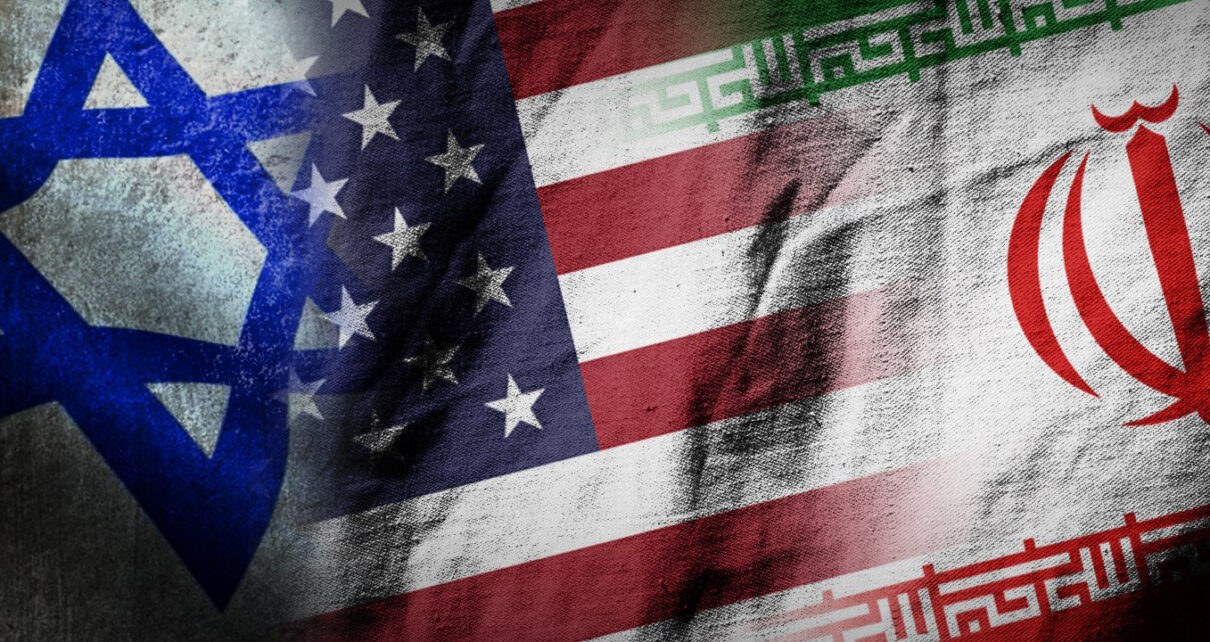

The idea that Israel and Iran once had a “love affair” surprises many people today because they are now bitter enemies. But from the 1950s to 1979, they were actually close strategic partners—militarily, economically, and politically. The relationship collapsed almost overnight after Iran’s 1979 Islamic Revolution.
Here’s the story.
The ENTIRE History of Israel–Iran Conflict | How a Secret Friendship Became a Global Crisis
https://youtu.be/onYX6TWCV7U
1. When Iran and Israel Were Quiet Allies (1950–1979)
After Israel was founded in 1948, most Arab countries refused to recognize it and fought several wars against it. Iran, however, took a different approach.
- In 1950, Iran became one of the first Muslim-majority countries to recognize Israel de facto. (Firstpost)
- The partnership grew under Iran’s ruler, Shah Mohammad Reza Pahlavi, who was strongly pro-Western.
Although they kept the relationship mostly secret (to avoid angering Arab states), cooperation was deep.
Why They Worked Together
Both countries had shared enemies:
- Arab nationalist governments (especially Egypt under Nasser)
- The Soviet Union during the Cold War
- Iraq and other regional rivals
Israel called this strategy the “Periphery Doctrine”—forming alliances with non-Arab states like Iran, Turkey, and Ethiopia to counter hostile Arab coalitions. (roadtotheelection.org)
2. Economic “Love”: Oil, Trade, and Infrastructure
One of the biggest pillars of the relationship was oil and trade.
- Iran supplied up to ~80% of Israel’s oil in the 1960s–70s. (MorningFeed24)
- The two countries built the Eilat–Ashkelon oil pipeline to secretly move Iranian oil to the Mediterranean. (MorningFeed24)
- Israeli companies worked on construction and agricultural projects across Iran. (Firstpost)
There were even direct flights between Tehran and Tel Aviv and strong business links. (ZNetwork)
In short: Iran gave Israel energy and markets; Israel gave Iran technology and expertise.
3. Military & Intelligence Cooperation
Their cooperation wasn’t just economic—it was deeply military and intelligence-based.
Key examples:
- Israel’s intelligence agency Mossad trained Iran’s secret police (SAVAK). (MorningFeed24)
- Israel sold Iran weapons and military technology. (MorningFeed24)
- The two countries worked on joint weapons projects.
Example: Project Flower
- A 1977 joint missile development program between Israel and Iran. (Wikipedia)
- Iran financed the project with oil, while Israel provided technology.
They also shared intelligence about Iraq and Soviet activity in the region.
4. The Sudden Break: 1979 Islamic Revolution
Everything changed in 1979.
The Shah was overthrown in the Islamic Revolution, and Ayatollah Ruhollah Khomeini created an Islamic Republic.
The new regime:
- Called Israel the “Zionist regime.”
- Cut all diplomatic and economic ties.
- Turned the former Israeli embassy in Tehran into the Palestinian embassy. (The Daily Jagran)
Iran’s government also began supporting groups opposed to Israel, such as:
- Hezbollah
- Hamas
That ideological shift transformed a strategic partnership into one of the Middle East’s most intense rivalries.
5. The Weird Twist: Secret Cooperation Afterward
Even after becoming enemies, geopolitics sometimes overrode ideology.
During the Iran-Iraq War (1980–1988):
- Israel secretly sold weapons to Iran. (IranWire)
Why?
Because Iraq under Saddam Hussein was seen as an even bigger threat.
In simple terms:
| Era | Relationship |
|---|---|
| 1950–1979 | Quiet alliance (oil, weapons, intelligence) |
| 1979 | Islamic Revolution breaks the alliance |
| 1980s | Limited secret cooperation |
| 1990s–today | Open hostility and proxy conflict |
The 1979 revolution completely flipped the relationship. The idea that Israel and Iran once had a “love affair” surprises many people today because they are fighting,
Here are five of the most shocking things they secretly did together.
Before the 1979 revolution, Israel and Iran were secret strategic partners. Much of what they did together was hidden from the public because Iran didn’t want to anger Arab countries. Some of these collaborations were extremely unusual and would seem almost impossible today given how hostile the two countries are.
Here are five of the most shocking things they secretly did together.
The 5 most shocking things Israel and Iran secretly did together (some are almost unbelievable).
Before the 1979 revolution, Israel and Iran were secret strategic partners. Much of what they did together was hidden from the public because Iran didn’t want to anger Arab countries. Some of these collaborations were extremely unusual and would seem almost impossible today given how hostile the two countries are.
Here are five of the most shocking things they secretly did together.
1. Built a Secret Oil Pipeline Together
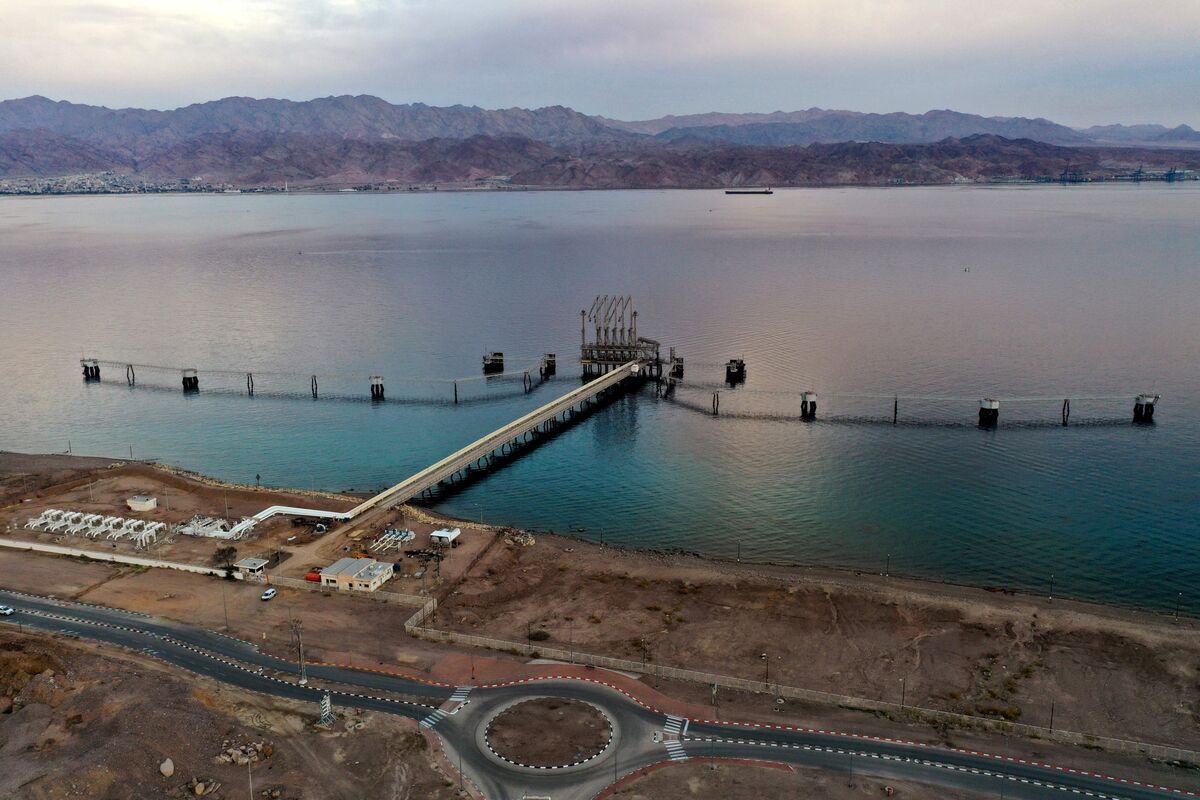


One of the biggest joint projects was the Eilat–Ashkelon pipeline, a massive oil infrastructure deal.
- In 1968, Israel and Iran created a secret joint company to move Iranian oil across Israel.
- Oil tankers from Iran would unload at Eilat (Red Sea).
- The pipeline transported it across Israel to Ashkelon (Mediterranean).
- From there, the oil went to Europe and Israeli refineries.
This arrangement was kept extremely secret because most Arab countries were boycotting Israel. (The Times of Israel)
💡 At one point, Iran supplied most of Israel’s oil.
2. Developed Missiles Together (Project Flower)


In the 1970s, Iran and Israel secretly cooperated on advanced missile development.
The program was called Project Flower.
- Iran financed the program partly with oil payments.
- Israel provided missile technology and engineering.
- The goal was to build an advanced anti-ship missile system and potentially longer-range variants. (Wikipedia)
This was extremely sensitive because the missile technology could potentially carry nuclear-capable warheads in future designs.
The project ended abruptly when the Islamic Revolution toppled the Shah in 1979.
3. Their Spy Agencies Worked Together


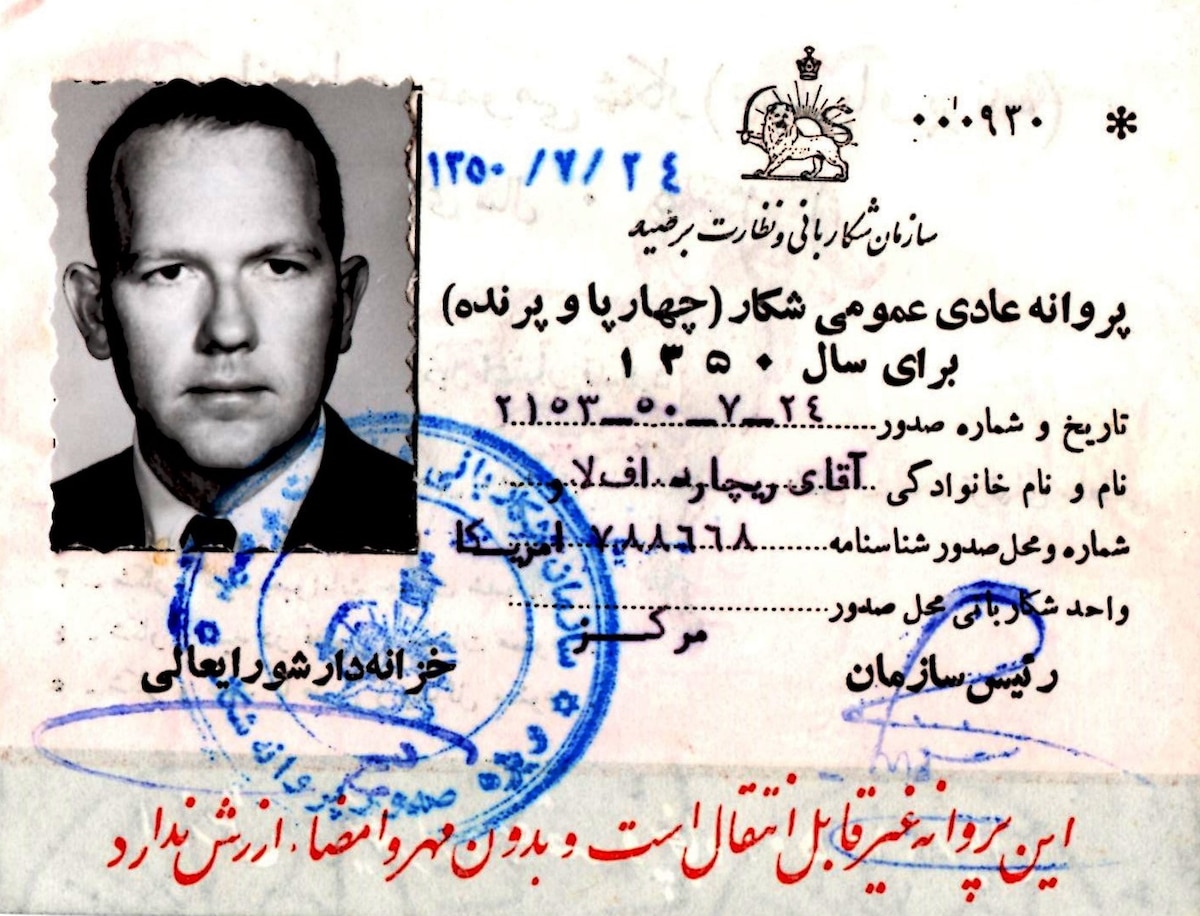
Israel’s intelligence agency Mossad worked closely with Iran’s secret police SAVAK.
Israel helped:
- Train Iranian intelligence officers
- Build surveillance networks
- Share intelligence on regional threats
The cooperation focused on monitoring Arab states and Soviet influence in the region. (TheIsrael.org – The Israel Blog)
At the time, both governments saw Arab nationalist regimes like Iraq and Egypt as their biggest threats.
4. They Secretly Supported Kurdish Rebels in Iraq
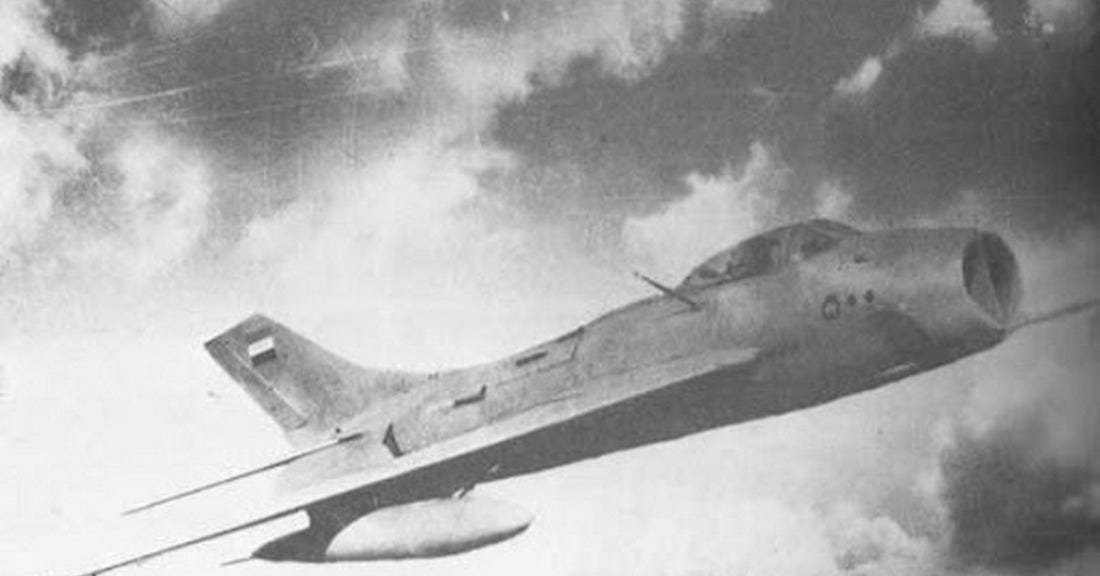

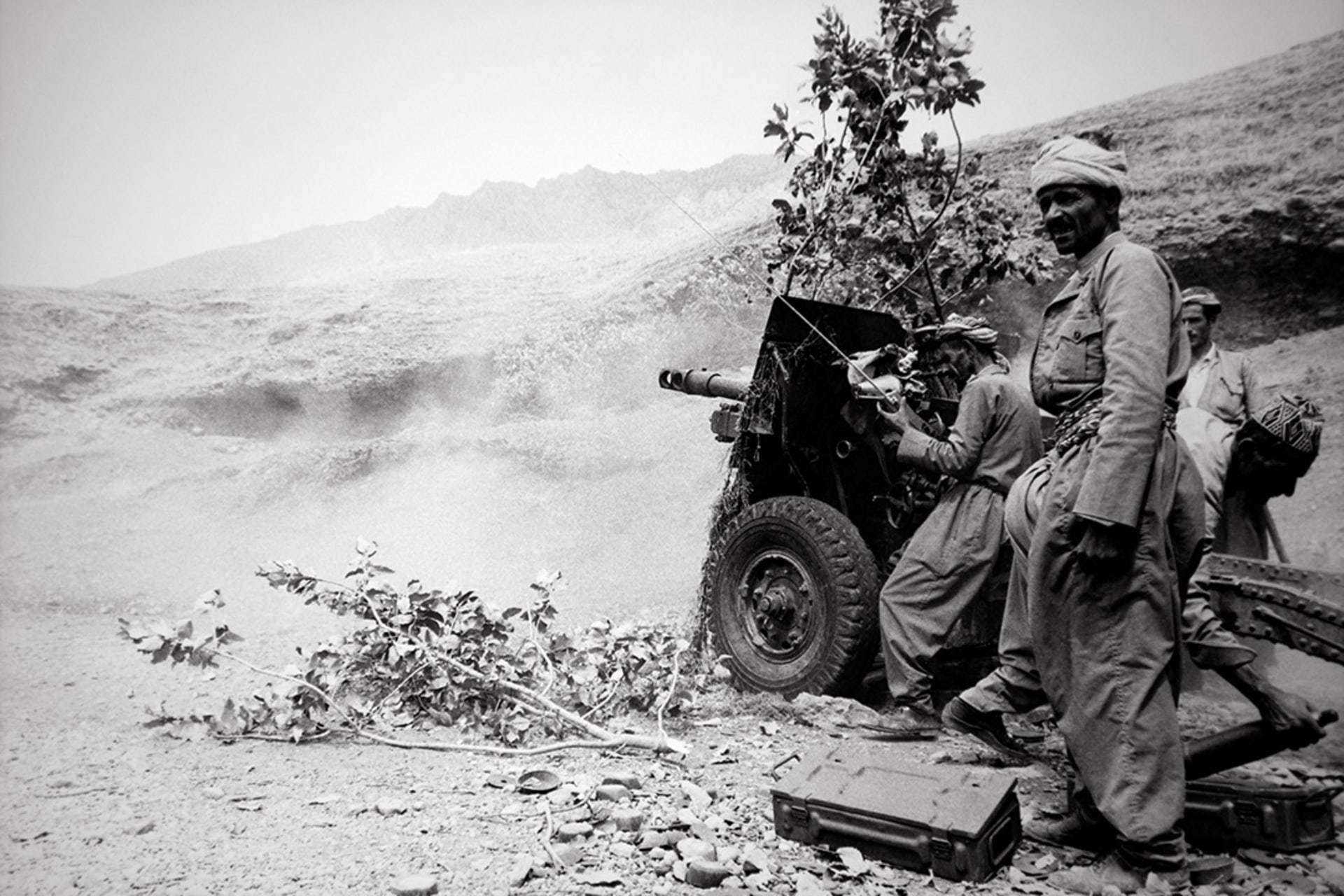

Iran and Israel even ran a covert proxy war together.
They secretly supported Kurdish rebels in northern Iraq.
Why?
Because both countries wanted to weaken Saddam Hussein’s government in Iraq.
Their support reportedly included:
- Weapons
- Training
- Intelligence assistance
This cooperation was part of Israel’s “Periphery Doctrine”—forming alliances with non-Arab powers to counter hostile Arab states. (TheIsrael.org – The Israel Blog)
5. Israel Secretly Armed Iran After They Became Enemies
This might be the most surprising twist.
Even after the 1979 revolution, Israel secretly sold weapons to Iran during the Iran-Iraq War (1980–1988).
Examples include:
- Spare parts for F-4 Phantom fighter jets
- Military equipment and ammunition (www.ndtv.com)
Why would Israel help a country that now called it an enemy?
Because Israel considered Iraq under Saddam Hussein an even bigger threat at the time.
In short:
Before becoming enemies, Israel and Iran were deep strategic partners.
Their secret cooperation included:
- A joint international oil pipeline
- Missile development projects
- Intelligence collaboration
- Covert proxy wars
- Secret arms deals
All of it collapsed almost overnight with the 1979 Islamic Revolution.
The phrase “Israel and Iran’s past love affair — with the United States as the mistress” is a metaphor historians sometimes use to describe a Cold War geopolitical triangle.
It means:
- Iran and Israel cooperated closely behind the scenes.
- The United States was the power connecting them, benefiting from and quietly encouraging the relationship.
Here’s how that triangular relationship actually worked.
1. The Triangle: Israel, Iran, and the United States
Think of the relationship like this:
| Country | Role in the relationship |
|---|---|
| Iran (under the Shah) | Regional power with oil and a large military |
| Israel | Military technology and intelligence hub |
| United States | Superpower sponsor backing both |
During the Cold War, the U.S. wanted pro-Western allies surrounding the Soviet Union and hostile Arab regimes.
So Washington strongly supported both Israel and Iran under Shah Mohammad Reza Pahlavi, turning them into pillars of its regional strategy. (LinkedIn
2. Why the U.S. Encouraged Their Partnership
Containing Arab Nationalism and the USSR
In the 1950s–70s, the U.S. feared two things spreading in the Middle East:
- Soviet influence
- Arab nationalist movements led by leaders like Egypt’s Gamal Abdel Nasser.
Israel and Iran had similar fears.
So Israeli leaders developed a strategy called the “Periphery Doctrine.”
- Israel allied with non-Arab states like Iran and Turkey to counter hostile Arab neighbors. (Wikipedia)
- This alignment also matched U.S. Cold War goals, making the partnership useful for Washington.
The result was a quiet pro-Western bloc:
United States → Israel → Iran
3. The U.S. Helped Put the Shah Back in Power
One of the most important events shaping this triangle happened in 1953.
The CIA and Britain helped overthrow Iran’s Prime Minister Mohammad Mossadegh, restoring the Shah to power. (Reuters)
Why it mattered:
- Mossadegh had nationalized oil and distanced Iran from Western influence.
- After the coup, the Shah became a strong U.S. ally.
Once Iran became firmly pro-Western, its cooperation with Israel expanded rapidly.
4. The Hidden Alliance Between Israel and Iran
From the 1950s to the late 1970s, Israel and Iran collaborated in several areas.
Intelligence
- Israeli Mossad worked with Iran’s secret police SAVAK.
Oil
- Iran became one of Israel’s main oil suppliers.
Military technology
- They even ran joint weapons programs like Project Flower, a missile development project funded by Iranian oil and built with Israeli technology. (Wikipedia)
Most of this cooperation happened quietly because openly supporting Israel could anger Arab countries.
5. Why the U.S. Was the “Mistress”
The metaphor suggests that the U.S. was the real power behind the relationship.
In reality:
- The U.S. armed and funded both Israel and Iran.
- Both countries served American strategic interests in the region.
- Their cooperation reinforced a pro-Western security network.
This triangular partnership helped create a buffer against Soviet influence in the Middle East during the Cold War. (rahs-open-lid.com)
6. Why the “Affair” Ended Suddenly
Everything changed in 1979.
The Islamic Revolution overthrew the Shah and created the Islamic Republic under Ayatollah Ruhollah Khomeini.
The new regime:
- Cut ties with Israel
- Adopted a strongly anti-U.S. and anti-Israel ideology
Relations collapsed almost overnight.
Iran went from Israel’s quiet partner to its main regional rival.
In simple terms
Before 1979:
- Iran and Israel = secret strategic partners
- United States = the superpower backing both
After 1979:
- Iran became anti-Israel and anti-U.S.
- The former alliance turned into today’s Israel–Iran rivalry and proxy conflict.
Bottom line:
Israel and Iran were not always enemies. For nearly 30 years they were strategic partners, brought together by Cold War politics, shared enemies, and mutual economic interests. The 1979 revolution completely flipped the relationship.




 English