
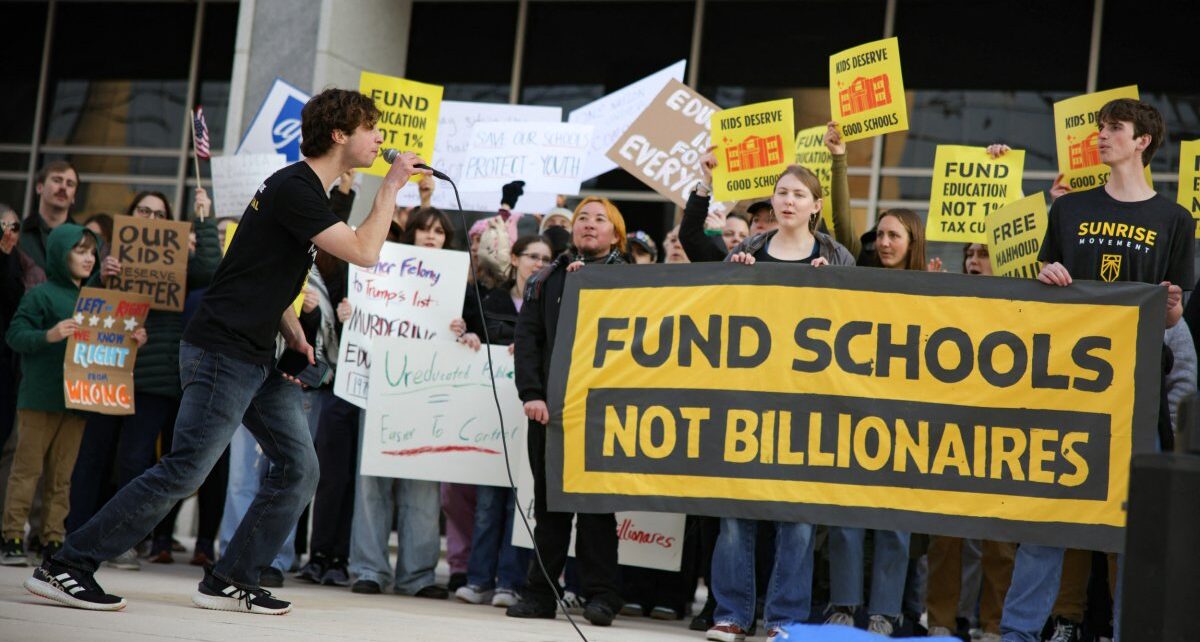
Here’s an up-to-date summary of layoffs and job cuts in U.S. higher education in 2025 — including major universities and colleges, estimated job impacts, and the driving causes (budget cuts, enrollment declines, funding changes) based on the latest reporting: (Boston University)
- WBUR
- Higher Ed Dive
- opb
- Forbes
- Bryan Alexander
- Major Universities & Colleges with Reported Layoffs or Cuts in 2025
Major Universities & Colleges with Reported Layoffs or Cuts in 2025
Tier 1 / Major Research Universities
Stanford University
- Announced layoffs of ~363 staff and academic support roles tied to budget pressures and reduced federal research funding. (The Times of India)
- Hundreds affected across administrative and support departments.
Boston University
- Laid off ~120 employees and eliminated ~120 vacant positions as part of a broader cost-cutting plan to reduce a 5% budget gap. (Boston University)
- Total positions impacted ≈ 240.
Washington University in St. Louis
- Announced 316 staff cuts and elimination of 198 vacant roles to reduce expenses and adapt to financial shifts. (The Times of India)
Brown University
- Cut ~48 positions and removed 55 vacant roles as part of a budget balancing plan. (The Times of India)
Public Flagship & State Universities
University of Oregon
- Eliminated ~176 positions (administrative/staff/faculty support) — no tenured faculty were cut. (KLCC)
University of Florida
- Eliminated ~75 jobs (mostly administrative) and closed smaller programs to save costs. (Inside Higher Ed)
Temple University
- Budget reductions led to elimination of 190 positions, including ~50 layoffs of staff roles. (The Times of India)
Johnson & Wales University (Rhode Island)
- Cut ~91 jobs (including faculty and staff) due to a $34 million deficit. (Inside Higher Ed)
Purdue University Fort Wayne
- Cut ~45 positions to reduce budget gaps driven by enrollment and state funding challenges. (Inside Higher Ed)
Small Colleges & Program Closures
Bard College at Simon’s Rock
- Relocated campus leading to 116 layoffs tied to program restructuring. (Inside Higher Ed)
Barnard College
- Cut ~77 jobs (administrative and staff) as part of restructuring. (Inside Higher Ed)
Malone University
- Laid off 27 employees (with some re-hiring in other areas). (Inside Higher Ed)
Saint Michael’s College
- Laid off ~14 employees due to long-term financial pressures. (Inside Higher Ed)
Canisius University
- Reduced eight security positions while outsourcing functions. (Inside Higher Ed)
Martin University (Indianapolis)
- Closed entirely after prolonged funding difficulties; all staff laid off and students directed to transfer. (The Times of India)
Estimated Total Job Impacts (Approximate)
| Institution | Estimated Jobs Lost / Cut |
|---|---|
| Stanford University | ~363 (The Times of India) |
| Boston University | ~240 (Boston University) |
| Washington Univ. in St. Louis | ~514 combined (cuts + vacancies) (The Times of India) |
| Brown University | ~103 (The Times of India) |
| University of Oregon | ~176 (KLCC) |
| University of Florida | ~75 (Inside Higher Ed) |
| Temple University | ~50 layoffs (190 total cuts) (The Times of India) |
| Johnson & Wales University | ~91 (Inside Higher Ed) |
| Bard College at Simon’s Rock | ~116 (Inside Higher Ed) |
| Barnard College | ~77 (Inside Higher Ed) |
| Malone University | ~27 (Inside Higher Ed) |
| Saint Michael’s College | ~14 (Inside Higher Ed) |
| Canisius University | ~8 (Inside Higher Ed) |
| Martin University (closure) | All staff (likely dozens) (The Times of India) |
Estimated 2025 total job impacts (U.S. higher ed layoffs): ~2,000–2,500+ jobs cut or eliminated (staff and faculty combined).
Note: Many positions eliminated are administrative/support roles, but faculty (especially lecturers/adjuncts) have also been affected. (Inside Higher Ed)
Context — Why Higher Ed Layoffs Are Rising in 2025
Financial & Enrollment Pressures
Universities cite major financial stressors, including:
- Declining federal research funding and policy changes that reduce grant income. (Forbes)
- Falling student enrollment — especially international students, which shrinks tuition revenue. (YouTube)
- State budget rollbacks impacting public institutions. (The Times of India)
- Rising operational costs (benefits, compliance, technology). (Boston University)
Types of Positions and Cuts
- Staff layoffs: administrative offices, student services, research support, security, and maintenance. (Inside Higher Ed)
- Vacant positions eliminated: not all job reductions involve active layoffs; universities often choose not to refill open roles. (Boston University)
- Adjuncts and lecturers: widely reported cuts of non-tenured instructional roles, especially where enrollment has declined. (KVPR)
- Programs and departments: some institutions are discontinuing majors or consolidating programs to save costs. (Wikipedia)
Examples of Sector-Wide Trends
- Multiple universities (USC, WashU, Brown, Stanford) are engaging in broad workforce reductions tied to multi-million dollar budget deficits. (The Times of India)
- Several smaller colleges are restructuring or closing completely. (The Times of India)
- Hiring freezes are widespread, further reducing new job opportunities. (Bryan Alexander)
Takeaways
🔹 Layoffs in 2025 higher ed are real and nationwide: affecting both public and private institutions across the U.S. (Forbes)
🔹 Impact moves beyond staff to faculty and adjuncts: especially at colleges with enrollment declines or large deficits. (Inside Higher Ed)
🔹 Not all “cuts” are layoffs: many are eliminated vacant positions or program closures, but these still reduce workforce size. (Boston University)




 English